
Standardized Control: How to Step Back Without Letting Your Standards Slip
by Johnny Tellez | Jun 5, 2026
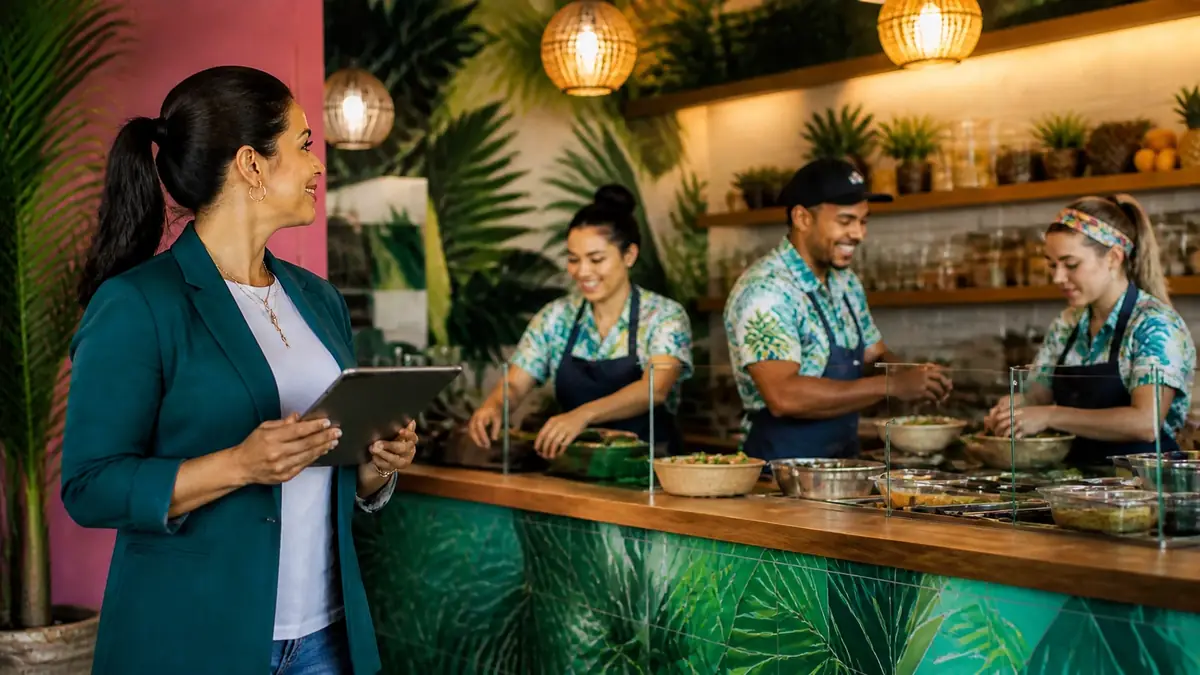
Many business owners find themselves trapped in a paradox: they built their business to gain freedom, but they ended up becoming the only thing keeping it from falling apart. If you find yourself answering every phone call, checking every order, and feeling like the quality drops the second you walk out the front door, you aren't running a business: you’re running a marathon that never ends.
At El Jefe Enterprises, we call this the "Owner-Powered" trap. It’s a common stage in the growth of any company, but it’s also where most founders hit a ceiling. To scale, or even just to get your weekends back, you have to move from an owner-powered model to a team-powered one.
The bridge between those two worlds is Standardized Control.
The Case of Tropical Express: From Heroics to Habits
Let’s look at a real-world example of this transition. Tropical Express was a high-volume QSR (Quick Service Restaurant) concept that was doing everything right on paper. The food was great, the customers were loyal, and the revenue was healthy.
However, the owner, Sarah, was exhausted. She was "The Whirlwind." She was the one who knew exactly how the fruit should be sliced, exactly how to handle a difficult customer, and exactly what time the floors needed to be mopped. Because she was so good at it, the team relied on her for every minor decision.

When Sarah tried to take a three-day weekend, the "standards slip" was immediate. Ticket times slowed down, the prep area was messy, and morale dipped. She felt like she could never leave. She was the engine, the transmission, and the driver.
Sarah didn't need to "hustle harder." She needed Standardized Control. She needed to move the expertise out of her head and into the DNA of the business.
The Five Pillars of Operational Clarity
To help Sarah, we looked at our Five Pillars of Operational Clarity. In any business: whether it's a single restaurant or a multi-unit franchise: success is built on a foundation of Priority, supporting People, Profit, Process, and Promotion.
Sarah had the People and the Profit, but she was missing the Process. Specifically, she lacked the systems that would allow her team to self-correct without her presence.

The Shift: Owner-Powered vs. Team-Powered
In an Owner-Powered business, the owner is the "Control Center."
- Decision Making: Centralized in one person.
- Standards: Maintained by personal inspection and constant "reminders."
- Training: Informal, usually "shadowing" the owner.
- Outcome: High stress for the owner; low growth potential for the team.
In a Team-Powered business, the system is the "Control Center."
- Decision Making: Distributed based on clear SOPs.
- Standards: Maintained by daily logs and accountability rhythms.
- Training: Structured and repeatable.
- Outcome: Strategic freedom for the owner; high growth potential for the team.
The Toolkit: SOPs and Daily Logs
Moving to a team-powered model doesn't mean you stop caring about quality. It means you change how you ensure quality. We implement two primary tools to create Standardized Control: SOPs (The How) and Daily Logs (The Check).
1. SOPs: The Turn-by-Turn Directions
Standard Operating Procedures (SOPs) are not meant to be 50-page manuals that sit on a shelf gathering dust. They should be short, modular, and tactical. For Tropical Express, we didn't write a "Kitchen Manual." We wrote 10 one-page SOPs for specific tasks: Opening Prep, Order Taking Flow, Equipment Cleaning, and Closing Checklists.
A good SOP does three things:
- Defines the "Why": Why does this task matter? (e.g., "Correct prep ensures we never run out of fresh fruit during the lunch rush.")
- Outlines the "How": Clear, numbered steps.
- Sets the Standard: What does "done" look like?
2. Daily Logs: The Rhythmic Pulse
If SOPs are the map, Daily Logs are the GPS telling you if you’re still on the road. A Daily Log is a simple, structured record of what happened during a shift.
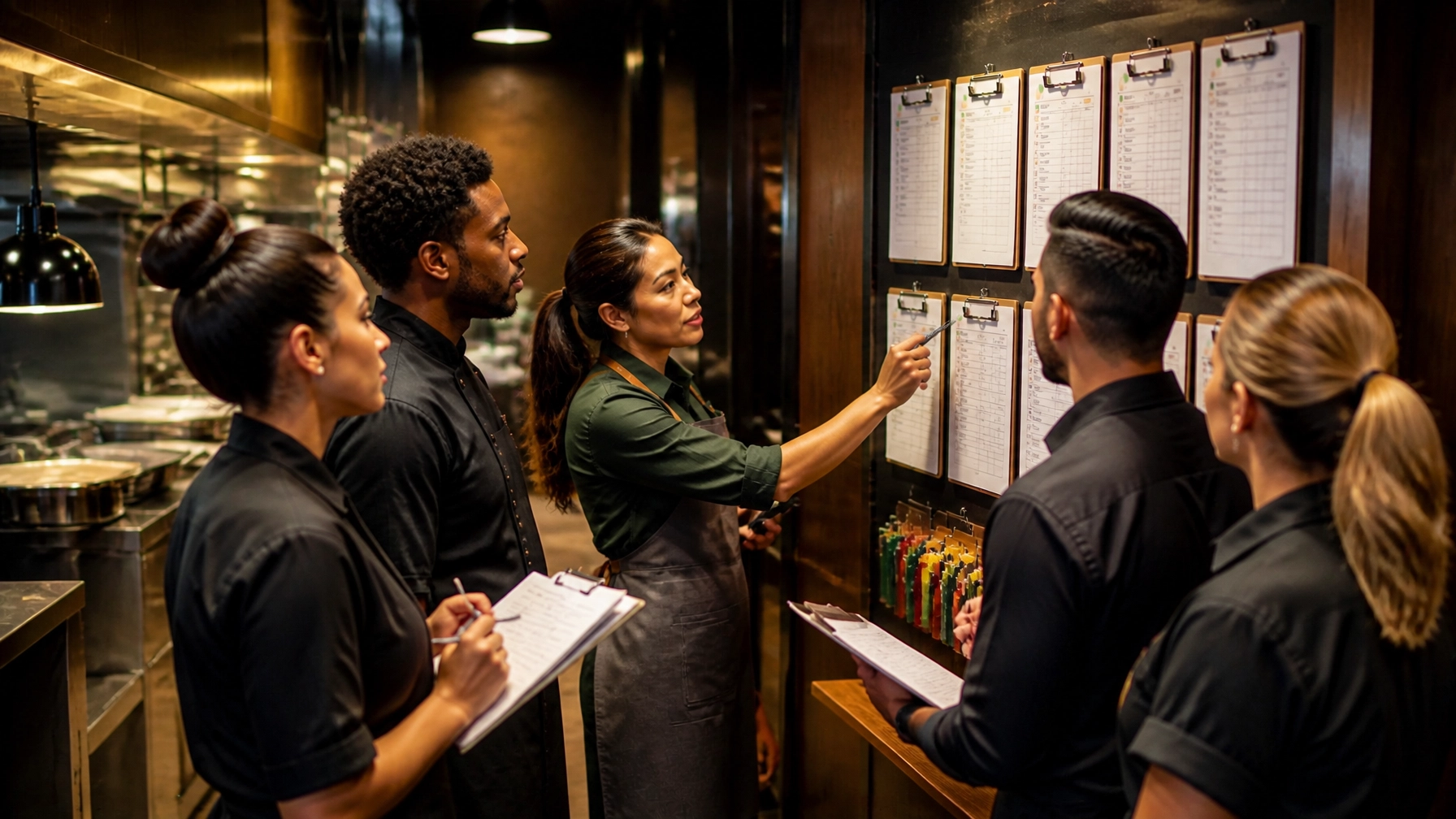
For Tropical Express, we implemented a digital Daily Log that the shift lead completed every evening. It tracked:
- Critical Metrics: Sales, labor percentage, and waste.
- SOP Compliance: Did we follow the prep schedule? Were the temp logs completed?
- Exceptions: What went wrong today? How was it handled?
- The Hand-off: What does the next manager need to know?
This shifted Sarah’s role. Instead of being on-site to ensure the work was done, she spent 15 minutes every morning reviewing the Daily Log from the day before. If the log showed a deviation, she coached the manager on the specific SOP. She wasn't managing the people anymore; she was managing the system.
How to Start Stepping Back
If you feel like you are the bottleneck in your business, the answer isn't to walk away and hope for the best. The answer is to build a structure that makes your presence optional.
Here is how you can start implementing Standardized Control this week:
Identify Your "High-Frequency" Chaos
What is the one thing your team asks you about every single day? That is your first SOP. Don't worry about making it perfect. Just get the process out of your head and onto paper (or a digital doc).
Establish a Daily Check-in
Create a simple template for your team to fill out at the end of their shift. This is not about micromanaging; it’s about visibility. When you have a written record of the day’s wins and losses, you can provide better coaching and stop "guessing" why things aren't working.
Focus on Fit and Sustainability
Whether you are an independent owner or looking into franchise ownership, sustainability is the key. A business that requires your "heroics" 24/7 is not a scalable asset; it's a job you can't quit. At El Jefe Enterprises, we help owners evaluate if their current model: or the one they are looking to buy: actually fits the lifestyle they want.
Moving Forward with Confidence
Stepping back is not a sign of laziness; it is a sign of leadership. When you empower your team with clear standards and a predictable rhythm, you give them the chance to take pride in their work and you give yourself the room to focus on growth.

At El Jefe Enterprises, we simplify complexity. We don't offer "secret formulas" or "10x growth hacks." We offer real-world operational insight gained from 20+ years in the trenches. We help you move from survival to strategy.
If your business is growing but the work still lives mostly in your head, it may be time to start documenting the systems that make the business run. If you are exploring a new path and want to ensure you don't buy yourself another "whirlwind," we can help you evaluate the operational demands of your next move before you sign the contract.
The goal is not more complexity. The goal is better rhythm, clearer structure, and stronger execution.
Ready to gain clarity on your operations? Let’s look at the process behind the problem together.
Let’s talk about your next move
No pressure and no obligation. The goal of the first conversation is simple: clarity.
Book a callRelated reading
Is a Franchise Consultant Really Free? How It Works in Atlanta
by Johnny Tellez | Oct 26, 2026
Short answer: yes. A good franchise consultant costs you nothing. That's usually the moment people get suspicious. Fair enough. If you're thinking about buying a franchise in Atlanta, you should know exactly who's paying, why, and what that means for the advice you get…
Read more
Business Coaching in Atlanta: 7 Signs Your Small Business Is Ready for a Coach
by Johnny Tellez | Oct 26, 2026
Atlanta is one of the best places in the country to own a small business. From Buckhead to Decatur, from Marietta to the Westside, owners are opening shops, service companies and franchises every week. But building something and running it well are two different jobs. A lot of good owners hit a point where hard work alone stops…
Read more
Is Your Business Stuck? Here’s How the Five Pillars of Operational Clarity Diagnose the Real Problem
by Johnny Tellez | Oct 1, 2026
Most business owners don’t realize they are stuck until they are exhausted. You started with a vision. You had the energy. But somewhere between opening the doors and reaching your first major milestone, the "grind" became the "norm." You find yourself putting out the same fires every Tuesday, answering the same questions from your team…
Read more