
The Ceiling Every Business Hits: Which One Is Holding You Back?
by Johnny Tellez | Jul 21, 2026

Most business owners know they are stuck long before they can explain why.
You feel it in the late-night mental loops. You feel it in the constant “we need to fix this” conversations that somehow never turn into clean execution. You feel it when you look at your revenue and realize that while the numbers are moving, the stability is not.
When a business stops growing: or when growth starts feeling like a heavy burden instead of an exciting win: most entrepreneurs respond the only way they know how: They push harder.
They add another software tool. They hire another person. They launch another marketing campaign. They double down on the "hustle."
But here’s the reality I’ve seen after 20+ years in operations and franchise systems: Pushing harder against a ceiling doesn’t break it. It just makes you tired. To move past a plateau, you don't need more effort; you need more clarity.
In our guide, From Chaos to Clarity, we talk about the four specific ceilings that every business eventually hits. Identifying which one you’re currently standing under is the first step toward building a business that actually gets lighter as it grows.
1. The Financial Ceiling: The Revenue Plateau

The Financial Ceiling is the most obvious one. It’s when your revenue flatlines, or worse, when your revenue goes up but your profit stays exactly the same (or shrinks).
As a business consultant, I often see owners trying to "buy" their way out of this ceiling. They spend more on lead gen or ads, thinking volume is the cure. But if your margins are thin or your pricing is undisciplined, more volume just creates more "expensive" work.
The Financial Ceiling is usually a signal that your business model needs a tune-up. It might be time to look at:
- Leakage: Where are you losing margin? (Labor, waste, or inefficient workflows?)
- Pricing Discipline: Are you charging based on value or just trying to be the cheapest?
- Customer Quality: Are you serving the right people, or are your most demanding clients also your least profitable?
When you hit this ceiling, the goal isn't just "more." The goal is "better."
2. The Operational Ceiling: When Systems Strain

This is where things get messy. The Operational Ceiling happens when your business outgrows its informal processes.
In the beginning, you can run a business on memory, "heroics," and a few sticky notes. But as you scale, those "unwritten rules" start to fail. Execution becomes uneven. One day the customer experience is great; the next day it’s a disaster because a different person was on shift.
This ceiling shows up as operational drag. You start spending all your time firefighting instead of leading. If you feel like your team keeps asking the same questions or making the same mistakes, you’re hitting the Operational Ceiling.
To break through, you have to move from "founder-led chaos" to documented systems. This is the core of any small business growth strategy. You need a repeatable rhythm that doesn’t require your constant intervention.

3. The Leadership Ceiling: The Owner Bottleneck

This is often the hardest ceiling for an entrepreneur to admit. The Leadership Ceiling is when you become the bottleneck.
If every decision: no matter how small: has to go through you, the business can only grow as fast as you can process information. You become the translator, the firefighter, and the ultimate constraint.
I’ve worked with brilliant founders who hit this ceiling and tried to solve it by hiring more people. But without a change in leadership structure, they just ended up with more people waiting in line at their office door asking, "What do I do next?"
Diagnostic Questions for the Bottleneck:
- What part of your business works well only when you personally touch it?
- If you stepped away for two weeks, what would break first?
- Are you solving business problems, or are you solving leadership structure problems?
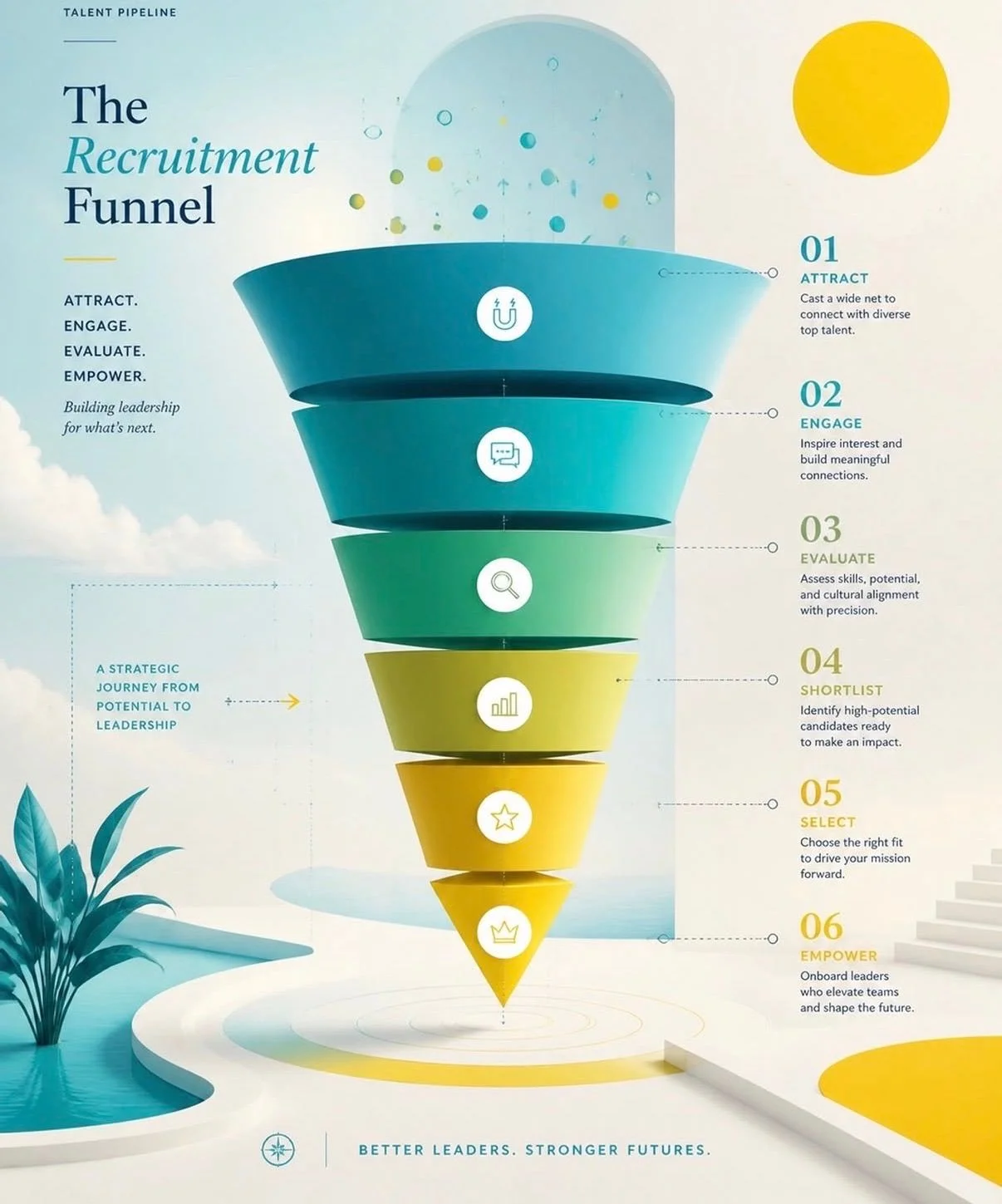
Breaking this ceiling requires shifting from "doing" to "empowering." It’s about building a strategic recruitment pipeline and trusting the systems you’ve built.
4. The Emotional Ceiling: The Weight of Ownership

The Emotional Ceiling is the heaviest one. It’s that feeling where ownership starts to feel reactive, heavy, and increasingly unsustainable.
You started this business for freedom, but it feels like a cage. You wanted autonomy, but you feel like a slave to the "whirlwind" of daily operations. When you hit the Emotional Ceiling, you start asking yourself, "Is this even worth it?"
Most people think this is just "burnout" and that a vacation will fix it. But vacations don’t fix structural problems. The Emotional Ceiling is a sign that the business is misaligned with your life, your strengths, or your goals.
As a business coach, I help owners realize that this ceiling is actually a gift. It’s your gut telling you that the current way of operating is broken. It’s an invitation to simplify the complex and regain your focus.
The "Push Harder" Trap
The reason these ceilings are so dangerous is that our instinct is to fight them with intensity. We think if we just work a little longer or care a little more, the ceiling will give way.
But ceilings are not signs of failure. They are signals that something must evolve.
The version of you that started the business is rarely the version of you that can scale the business. Growth requires a different version of the leader at each stage.
Which One Is Yours?
Take a second to look at your business through these four lenses. Usually, one of these ceilings is the "primary constraint": the one that, if addressed, would unlock everything else.
- If your bank account is full but your calendar is a nightmare, you’re hitting the Operational or Leadership ceiling.
- If you’re the most productive person in the building but you’re not making any money, you’re at the Financial ceiling.
- If everything is "fine" on paper but you dread Monday morning, you’ve hit the Emotional ceiling.
Moving Forward on Purpose
At El Jefe Enterprises, we don't believe in "game-changing secrets" or "hustling harder." We believe in Clarity over Sales.
Whether you are exploring franchise ownership or trying to fix a business that has become too heavy, the goal is the same: to see your situation clearly enough to move forward on purpose.
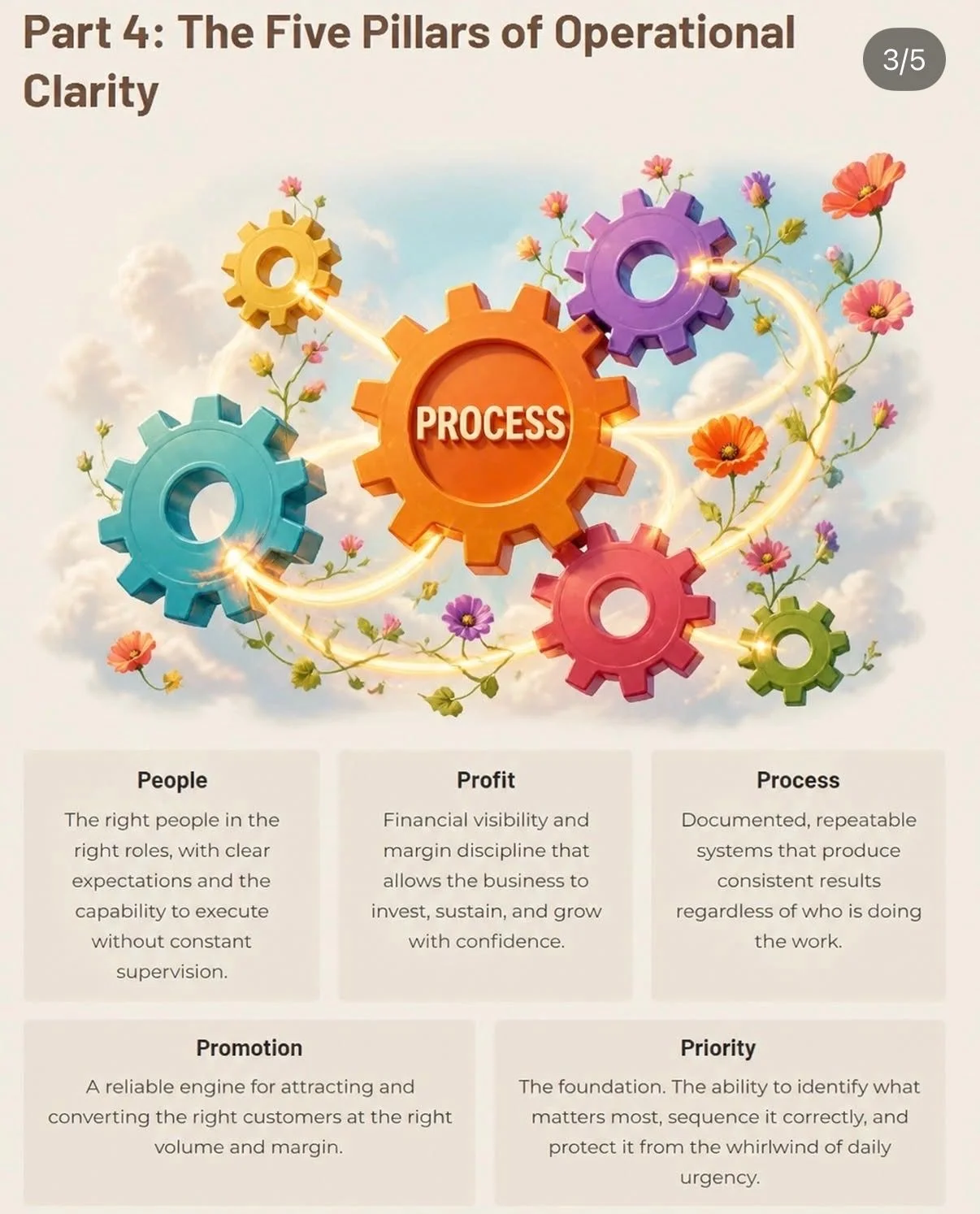
If your business has outgrown the systems in your head, or if you're ready to stop being the bottleneck, it might be time to start documenting the Five Pillars of Operational Clarity.
The right next step is usually not more complexity. It is clearer structure.
Let’s talk about your next move
No pressure and no obligation. The goal of the first conversation is simple: clarity.
Book a callRelated reading

Is a Franchise Consultant Really Free? How It Works in Atlanta
by Johnny Tellez | Oct 26, 2026
Short answer: yes. A good franchise consultant costs you nothing. That's usually the moment people get suspicious. Fair enough. If you're thinking about buying a franchise in Atlanta, you should know exactly who's paying, why, and what that means for the advice you get…
Read more
Business Coaching in Atlanta: 7 Signs Your Small Business Is Ready for a Coach
by Johnny Tellez | Oct 26, 2026
Atlanta is one of the best places in the country to own a small business. From Buckhead to Decatur, from Marietta to the Westside, owners are opening shops, service companies and franchises every week. But building something and running it well are two different jobs. A lot of good owners hit a point where hard work alone stops…
Read more
Is Your Business Stuck? Here’s How the Five Pillars of Operational Clarity Diagnose the Real Problem
by Johnny Tellez | Oct 1, 2026
Most business owners don’t realize they are stuck until they are exhausted. You started with a vision. You had the energy. But somewhere between opening the doors and reaching your first major milestone, the "grind" became the "norm." You find yourself putting out the same fires every Tuesday, answering the same questions from your team…
Read more